
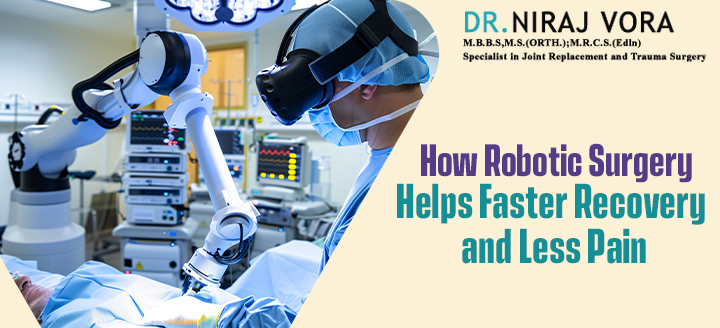
Joint replacement used to mean you spent weeks in bed recovering from cuts that stretched halfway across your leg. Surgeons had to slice through a lot of muscle just to get at the worn-out hip or knee buried inside. Robotic joint replacement gives doctors a way to operate with much better accuracy through openings that are much smaller. People who pick this method usually get up and walk sooner, and they do not need as many pain pills either.
Advantages of robotic surgery show up fast when you look at how patients feel seven days after going home. The computer maps out your exact bone shape before the surgeon ever picks up a scalpel or starts cutting. A robot arm then guides the tools to make cuts that fit your body instead of using rough guesses. Surgeons working by hand alone could never match this level of precision, no matter how skilled they were.
Why You Heal Faster After Robotic Surgery
Faster recovery after robotic surgery happens because the operation does not wreck the muscles sitting around your hip or knee. Old-style surgery meant pushing muscles out of the way or cutting straight through them to reach the joint. Robots let doctors slip between muscles instead of tearing them up just to get access to the damaged area. Your legs stay stronger right after surgery, so you can put weight on them and start walking way sooner.
The robotic arm shaves off only the bone that actually needs replacing based on measurements taken days before your operation. This leaves more of your original bone in place, and that keeps everything more stable from the very beginning. You also bleed a lot less because the cuts are tiny and the computer stops tools from wandering into spots with big blood vessels. Losing less blood means you do not feel as weak or lightheaded during those tough first days back home.
How Robots Cut Down on Pain After Your Operation
Less pain after robotic surgery comes from your muscles and tendons taking way less abuse while the doctor works. The system makes cuts that line up perfectly with where the fake joint pieces need to sit when everything gets put back together. Being off by even a couple of millimeters creates sore spots that can bother you for months after you thought you were healed. Getting the alignment right from the start means your new joint moves like it should without jamming up against ligaments incorrectly.
More minor cuts also heal up quicker and make less scar tissue that pulls and stings when you bend your leg. The super-accurate robotic cuts cause less swelling in the joint during those first couple of weeks when inflammation hurts the most. A lot of patients can stop taking their pain meds much sooner than folks who went through traditional joint replacement instead. Walking without favoring one leg often happens weeks ahead of schedule because everything just feels more balanced and comfortable right away.
Picking a Surgeon Who Really Knows Robotic Systems
Not every bone doctor has been trained on these robot machines or has done enough cases to handle tricky joint problems well. You want someone who gets both old school methods and robot technology, so they pick what actually works best for you. Dr Niraj Vora orthopedic surgeon, finished serious training in robot-assisted joint replacement, and he uses these systems all the time in his practice. His background means he knows when robots will help you the most versus when doing it the traditional way makes more sense.